Eating less salt does not mean living on plain steamed broccoli. And here's the surprise: most of your salt isn't coming from the salt shaker.
The US FDA reports that more than 70% of the sodium Americans eat comes from packaged and prepared food. Bread, cheese, sliced meat, soup, sauces, ready meals, snacks. So the biggest wins happen in the supermarket and the kitchen, not at the table.
Find your repeat offenders
Look at what you eat several times a week: bread, cheese, ham, soup, sauces, frozen meals, crisps. Compare labels of similar products. A small cut in something you eat every day removes more salt over a year than avoiding one salty thing you eat once a month.
"Natural" or "healthy" on the front tells you nothing about salt. The label on the back does. See how to read a label in 60 seconds.
Build flavour without salt
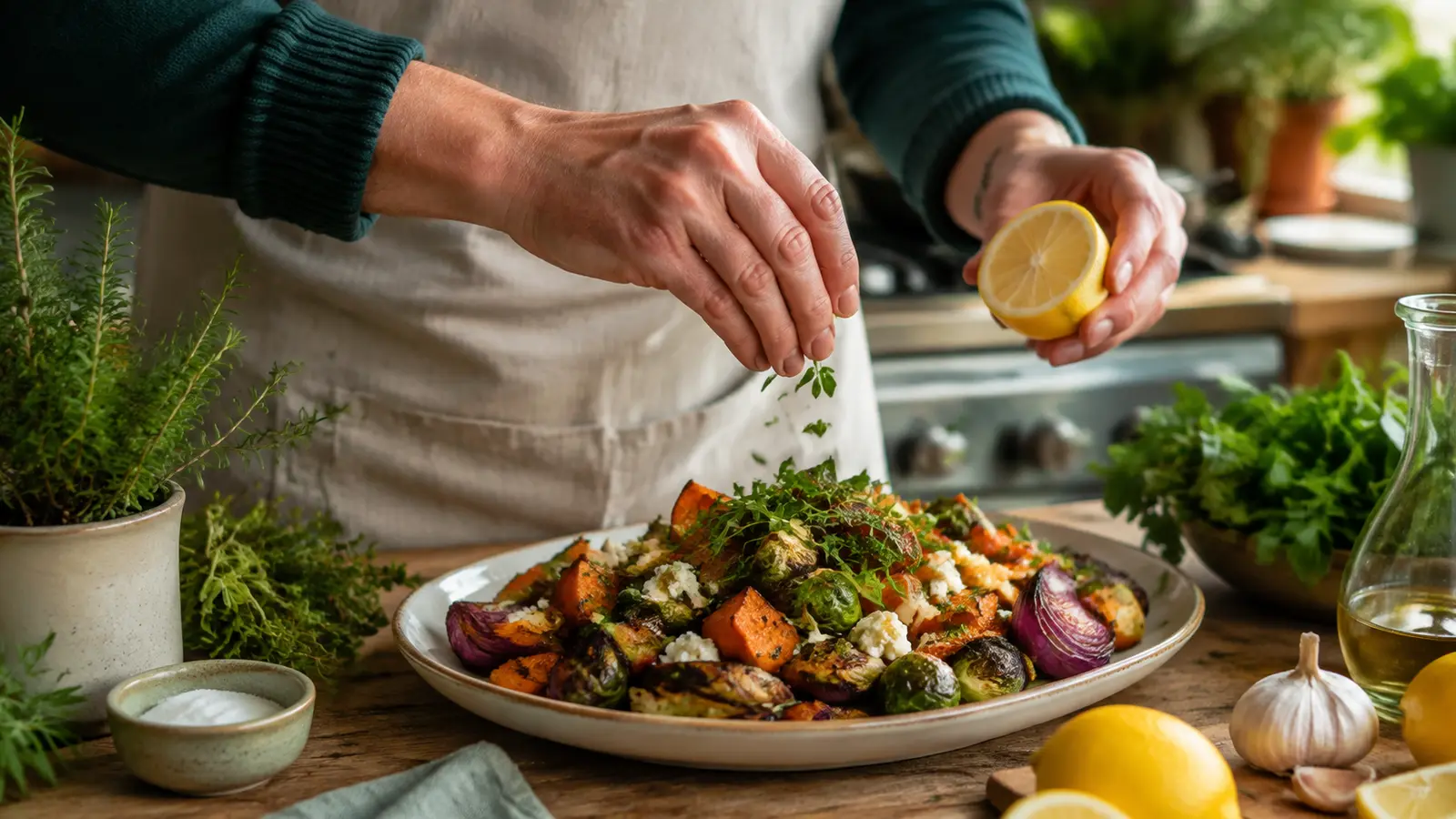
Salt is just one way to make food taste good. Others:
- sour: lemon, lime, vinegar,
- aroma: garlic, onion, fresh herbs,
- warmth: black pepper, paprika, cumin, chilli,
- crunch: toasted seeds or unsalted nuts.
Roasting, browning and grilling create flavour that boiling never will. Taste before you salt, at the end of cooking, not automatically at the start. Cut down slowly and your taste buds adjust in a few weeks.
Tins are fine
Tinned beans and vegetables are cheap and useful. Pick "no salt added" or "reduced salt" versions when you can. Draining and rinsing normal tinned beans and vegetables removes some of the salt. For soups or sauces, mix a low-salt version with your usual one so the change isn't a shock.
The numbers
The FDA Daily Value for sodium is under 2,300 mg a day. On a US label, 5% or less per serving is low, 20% or more is high. These are general comparison tools, not a medical prescription.
If you lose a lot of salt through long exercise or heat, take certain medicines, or have a specific condition, follow personal advice. With heart or kidney disease, salt isn't the only thing that matters: potassium and fluid advice can be personal too.
This week: two changes
Pick two, not all of them:
- swap one packaged food you buy often for a lower-salt version,
- rinse your tinned beans,
- sauces and dressings on the side,
- season one dinner with herbs, lemon and spices before reaching for salt,
- taste before salting. Always.
Myths
- "Sea salt has no sodium." It does. All salt does.
- "If it doesn't taste salty, it's low in salt." Bread and cereal can be full of it.
- "One low-salt dinner fixes the week." What you repeat is what counts.
- "Everyone should eat as little salt as possible." Some people have different needs.
- "Potassium salt substitutes are safe for everyone." Not with some conditions or medicines. Ask first.
Kidney disease, heart failure, blood pressure medicine, electrolyte problems or a doctor-prescribed diet? Follow your own plan.